Institutions: Gold and silver fundamentals remained solid in the second quarter, with short-term fluctuations expected; awaiting signals to initiate a trend.
2026-05-15 13:59:27
The medium- to long-term fundamentals for gold and silver remained solid in the second quarter, providing continued support for prices.
A recent quarterly metals report from London-based Sucden Financial indicates that high US Treasury yields and a strong US dollar are currently exerting significant downward pressure. Geopolitical risks and physical demand are merely holding the market within a lower range, lacking a core macroeconomic catalyst for an upward breakout. Gold's safe-haven appeal is weakening, while silver's fundamentals are tighter. However, both are constrained by insufficient capital inflows and the macroeconomic environment, maintaining a short-term oscillating pattern. A clear trend will require confirmation from real yields, the dollar's performance, and policy signals from the Federal Reserve.
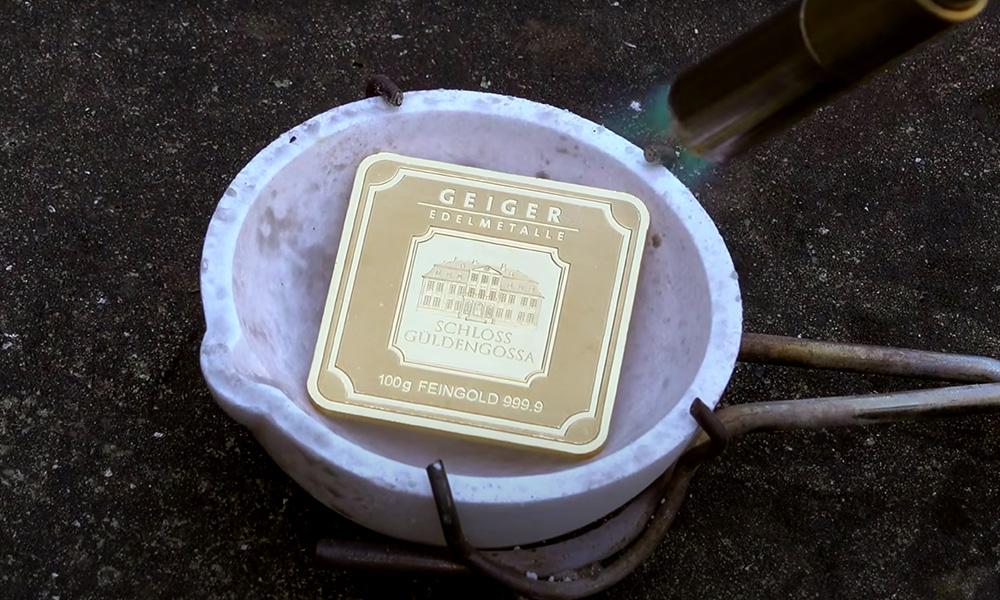
The persistently high yields on US Treasury bonds and the resilient dollar are the core factors suppressing gold prices. While geopolitical uncertainties and physical gold demand persist, they only serve to solidify the price floor and are unlikely to trigger a strong upward trend in gold prices.
Sukden Financial stated that for gold to experience a substantial rise, it must rely on two conditions: a decline in real yields and a weakening US dollar.
Amidst ongoing geopolitical conflicts, particularly the escalating tensions in the Middle East, gold has failed to escape its traditional safe-haven appeal. Escalating tensions have pushed up oil prices, further reinforcing inflation expectations and driving up US Treasury yields, significantly increasing the opportunity cost of holding gold as a non-interest-bearing asset. The market generally believes that only when prices begin to reflect a decline in real yields, a weakening dollar, or a clear easing signal from the Federal Reserve will gold prices have the potential for significant upward movement.
Overall structural support remains solid, with gold ETF holdings maintaining historically high levels. Despite repeated price fluctuations, institutional allocation intentions have not significantly diminished. However, current institutional funds are primarily focused on defensive support and have not generated sustained upward momentum. Gold prices are likely to remain range-bound in the short term, with the $4,500 per ounce level forming a significant support. A move towards the $4,800 mark would require weaker economic data or a more pronounced dovish policy stance from the Federal Reserve.
The overall environment of the silver market is similar to that of gold. This week, spot silver prices once reached $89.344 per ounce, hitting a two-month high. Compared to gold, the supply and demand situation for silver is tighter, with a persistent supply gap and low speculative positions providing natural support for prices. After a significant correction earlier this year, speculative positions in silver on the New York Mercantile Exchange have shrunk considerably, with overall open interest far below historical highs; silver ETF holdings have also declined from their peak at the end of 2025, indicating a cooling of institutional participation.
Although silver prices have rebounded in the short term, the market still lacks the large-scale investment inflows necessary for a long-term bull market. Sukden Financial Analysis suggests that silver maintained its resilience in the second quarter due to supply shortages and moderate speculative positions. For a strong breakout, ETF funds need to flow back in, speculative long positions need to increase again, and a comprehensive positive macroeconomic environment is required.
Because industrial demand accounts for a larger share of silver's value, silver is significantly more sensitive to macroeconomic fluctuations than gold. If the economy achieves a soft landing, inflation steadily declines, and the Federal Reserve initiates an easing cycle in a timely manner without triggering a recession, improved liquidity coupled with stable industrial demand could lead to silver outperforming gold in the short term.
However, if the economy falls into a deep downturn, silver's industrial demand will become a negative factor, leading to increased market volatility and a likely weaker performance compared to gold. Analysts predict that the $70-$72 per ounce range provides solid support for silver. A rebound to the $80-$85 range would require both continued inflows from ETFs and a simultaneous improvement in the overall macroeconomic environment.
Overall, gold and silver had solid medium- to long-term fundamentals supporting them in the second quarter, but the continued pressure from the US dollar and high yields made it difficult to break out of their trading range without clear macro catalysts. The safe-haven appeal of gold weakened temporarily, while silver, with its more favorable supply and demand dynamics, lacked new capital inflows.
The future market trend will depend on real yields, the strength of the US dollar, and the policy signals from the Federal Reserve. At the same time, the state of the economy will also dominate the rotation of gold and silver prices. In the short term, the market will mainly fluctuate within a range, waiting for a signal to emerge before a trend can begin.
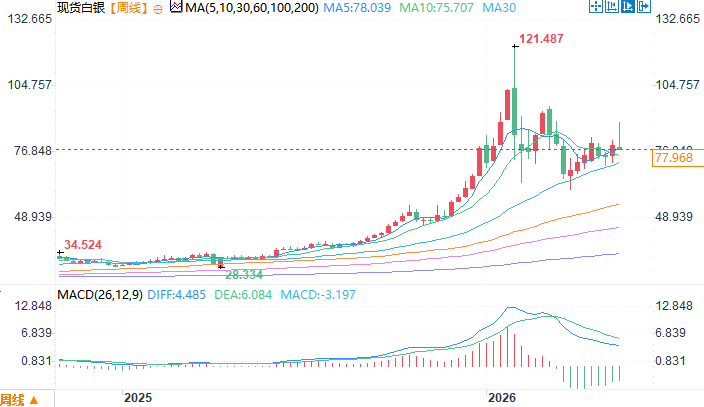
Spot silver weekly chart source: EasyForex
At 13:59 Beijing time on May 15, spot silver was trading at $78.20 per ounce.
A recent quarterly metals report from London-based Sucden Financial indicates that high US Treasury yields and a strong US dollar are currently exerting significant downward pressure. Geopolitical risks and physical demand are merely holding the market within a lower range, lacking a core macroeconomic catalyst for an upward breakout. Gold's safe-haven appeal is weakening, while silver's fundamentals are tighter. However, both are constrained by insufficient capital inflows and the macroeconomic environment, maintaining a short-term oscillating pattern. A clear trend will require confirmation from real yields, the dollar's performance, and policy signals from the Federal Reserve.
Gold is under pressure and its safe-haven function has temporarily failed.
The persistently high yields on US Treasury bonds and the resilient dollar are the core factors suppressing gold prices. While geopolitical uncertainties and physical gold demand persist, they only serve to solidify the price floor and are unlikely to trigger a strong upward trend in gold prices.
Sukden Financial stated that for gold to experience a substantial rise, it must rely on two conditions: a decline in real yields and a weakening US dollar.
Amidst ongoing geopolitical conflicts, particularly the escalating tensions in the Middle East, gold has failed to escape its traditional safe-haven appeal. Escalating tensions have pushed up oil prices, further reinforcing inflation expectations and driving up US Treasury yields, significantly increasing the opportunity cost of holding gold as a non-interest-bearing asset. The market generally believes that only when prices begin to reflect a decline in real yields, a weakening dollar, or a clear easing signal from the Federal Reserve will gold prices have the potential for significant upward movement.
Overall structural support remains solid, with gold ETF holdings maintaining historically high levels. Despite repeated price fluctuations, institutional allocation intentions have not significantly diminished. However, current institutional funds are primarily focused on defensive support and have not generated sustained upward momentum. Gold prices are likely to remain range-bound in the short term, with the $4,500 per ounce level forming a significant support. A move towards the $4,800 mark would require weaker economic data or a more pronounced dovish policy stance from the Federal Reserve.
Silver's fundamentals are stronger, but the rebound still lacks the support of strong capital inflows.
The overall environment of the silver market is similar to that of gold. This week, spot silver prices once reached $89.344 per ounce, hitting a two-month high. Compared to gold, the supply and demand situation for silver is tighter, with a persistent supply gap and low speculative positions providing natural support for prices. After a significant correction earlier this year, speculative positions in silver on the New York Mercantile Exchange have shrunk considerably, with overall open interest far below historical highs; silver ETF holdings have also declined from their peak at the end of 2025, indicating a cooling of institutional participation.
Although silver prices have rebounded in the short term, the market still lacks the large-scale investment inflows necessary for a long-term bull market. Sukden Financial Analysis suggests that silver maintained its resilience in the second quarter due to supply shortages and moderate speculative positions. For a strong breakout, ETF funds need to flow back in, speculative long positions need to increase again, and a comprehensive positive macroeconomic environment is required.
Gold and silver prices are more sensitive to macroeconomic fluctuations; economic trends determine the rotation of strength and weakness.
Because industrial demand accounts for a larger share of silver's value, silver is significantly more sensitive to macroeconomic fluctuations than gold. If the economy achieves a soft landing, inflation steadily declines, and the Federal Reserve initiates an easing cycle in a timely manner without triggering a recession, improved liquidity coupled with stable industrial demand could lead to silver outperforming gold in the short term.
However, if the economy falls into a deep downturn, silver's industrial demand will become a negative factor, leading to increased market volatility and a likely weaker performance compared to gold. Analysts predict that the $70-$72 per ounce range provides solid support for silver. A rebound to the $80-$85 range would require both continued inflows from ETFs and a simultaneous improvement in the overall macroeconomic environment.
Summarize
Overall, gold and silver had solid medium- to long-term fundamentals supporting them in the second quarter, but the continued pressure from the US dollar and high yields made it difficult to break out of their trading range without clear macro catalysts. The safe-haven appeal of gold weakened temporarily, while silver, with its more favorable supply and demand dynamics, lacked new capital inflows.
The future market trend will depend on real yields, the strength of the US dollar, and the policy signals from the Federal Reserve. At the same time, the state of the economy will also dominate the rotation of gold and silver prices. In the short term, the market will mainly fluctuate within a range, waiting for a signal to emerge before a trend can begin.
Spot silver weekly chart source: EasyForex
At 13:59 Beijing time on May 15, spot silver was trading at $78.20 per ounce.
- Risk Warning and Disclaimer
- The market involves risk, and trading may not be suitable for all investors. This article is for reference only and does not constitute personal investment advice, nor does it take into account certain users’ specific investment objectives, financial situation, or other needs. Any investment decisions made based on this information are at your own risk.