Will falling oil prices cool inflation? Federal Reserve officials say "no."
2026-05-28 08:52:32
On Thursday (May 28) during the Asian session, international oil prices rebounded slightly after a sharp drop the previous day, influenced by the continued disagreement between the United States and Iran over the reopening of the Strait of Hormuz. Currently, US crude oil futures are up 2% to $90.48 per barrel, and Brent crude oil is up more than 1% to $94 per barrel.
International oil prices experienced a sharp sell-off on Wednesday. U.S. crude futures fell more than 5% to below $88, while Brent crude fell more than 6% to below $92. The immediate trigger was progress in U.S.-Iran peace talks, with the market anticipating the Strait of Hormuz could resume normal navigation within a month, rapidly diminishing geopolitical risk premiums. However, the drop in oil prices did not shake the Federal Reserve's vigilance regarding inflation.
Federal Reserve Governor Lisa Cook, speaking at Stanford University on Wednesday, issued a clear warning about the current state of inflation in the United States. She noted that while inflation has slowed somewhat over the past year, recent data suggests it is heading in the wrong direction, which worries her.
“After five years of inflation above target, I am particularly wary of the risk that high inflation could embed itself in price and wage-setting behavior,” Cook emphasized in her speech. “If the anticipated deflation fails to materialize in time, I am prepared to raise interest rates.” She further explained that once inflation expectations become unstable, the Fed will have to take stronger measures to restore price stability.
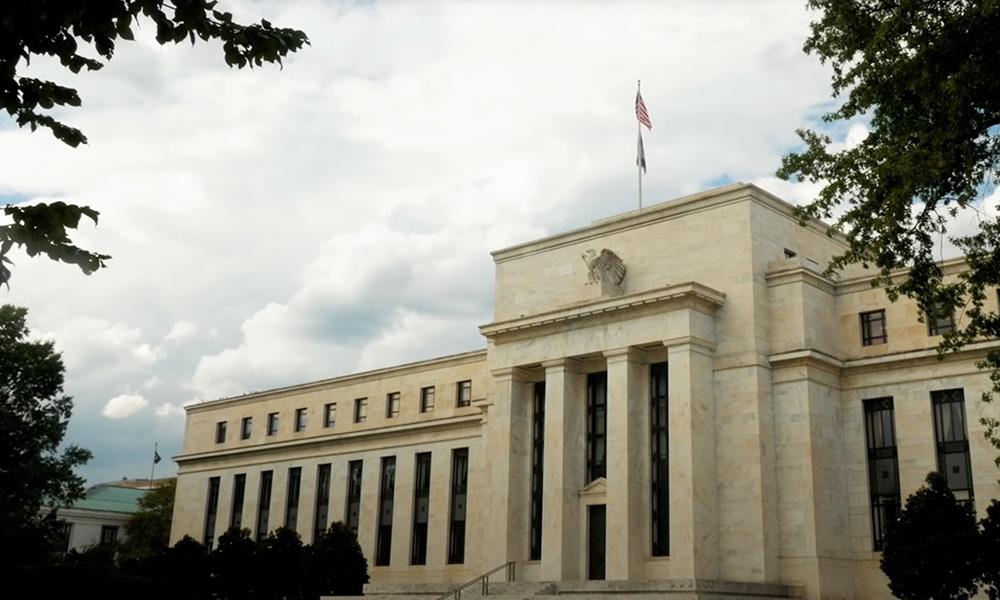
While Cook expects inflation to ease in the coming months, she cautioned in her speech not to overlook the potential impact of even temporary shocks. She argued that short-term price pressures, if persistent enough or interpreted by market participants as structural changes, could have a more profound impact on the medium-term inflation trajectory.
She pointed out that businesses may embed higher energy costs into their pricing, especially those industries with strong pricing power, which can more easily pass on upstream costs to consumers. At the same time, workers will also incorporate these costs into wage negotiations, creating the risk of a "price-wage" spiral – precisely the self-reinforcing inflation mechanism that central banks are most wary of.
Cook further pointed out that inflationary factors are not limited to the energy sector. She emphasized that in addition to rising energy prices, large-scale investment in artificial intelligence could also contribute to inflationary pressures through multiple channels. While artificial intelligence may improve productivity and lower costs in the long term, in the short term, the concentrated construction of related infrastructure is driving up the prices of certain goods and services.
She specifically mentioned that the prices of chips, other high-tech equipment, and software—core inputs for the development of artificial intelligence—have risen significantly. Furthermore, the huge demand for electricity and cooling water from data centers and AI model training is also driving up utility prices—electricity and water prices have each risen by about 5% in the past year, putting additional upward pressure on overall inflation.
Despite Cook's expressed concern about inflation risks, her baseline forecast remains relatively optimistic. In her speech, she explicitly stated that, based on current data and model analysis, she expects inflation to gradually decline to a level closer to the target over the next few quarters without the need for further interest rate hikes by the Federal Reserve.
At the same time, she expects the job market to remain stable, eliminating the need for interest rate cuts. Cook believes the current labor market is achieving a better balance—fewer job openings, a rising labor force participation rate, and slower wage growth—all factors that help reduce inflation without sacrificing jobs. She emphasized that the Fed's goal is a "soft landing," meaning controlling inflation while avoiding a recession.
Cook's remarks were particularly significant, coming just before the release of the Federal Reserve's preferred inflation gauge—the Personal Consumption Expenditures (PCE) price index. This data, due on Thursday by the U.S. Commerce Department, is being closely watched by market participants to see if it confirms Cook's assessment that inflation is trending downwards.
Markets widely expect overall PCE inflation to rise to nearly 4% from 2.7% in March, driven by a sharp increase in energy prices in April. The “core” PCE, which excludes energy and food prices—a more accurate indicator of underlying inflation trends—is projected to rise 3.3% in April, the highest reading since 2023, further fueling concerns that inflation may be too “sticky.”
Minneapolis Federal Reserve President Neal Kashkari expressed similar concerns about inflation during a question-and-answer session in Japan on Wednesday. Kashkari made it clear that the Fed needs to manage the seemingly rising inflation risks and cannot afford to be complacent.
However, he also cautiously stated that it was too early to judge whether an interest rate hike was necessary. Nevertheless, Kashkari made a noteworthy assessment: he pointed out that in the current economic environment, the risk of rising inflation outweighs the risk of a deteriorating job market. This statement suggests that the Fed's monetary policy focus may be shifting from "balancing inflation and employment" to "a greater emphasis on controlling inflation."
In the Q&A session, Kashkari also specifically mentioned the potential impact of geopolitical factors on the US inflation outlook. He warned that the "inflationary shockwaves" sent globally by the US-Iran conflict may persist and will not subside quickly in the short term.
He further explained that this shock is primarily transmitted to the US economy through its impact on energy prices. If the conflict in the Middle East continues or escalates, oil and gas prices may remain high or even rise further, directly increasing costs across various economic sectors, including transportation, manufacturing, and heating. More importantly, persistently high energy prices could alter businesses' and consumers' expectations of long-term inflation, thus making the inflation problem more deeply entrenched.
The bond market has already clearly reacted to the aforementioned statements by Federal Reserve officials and the latest inflation outlook. As one of the most sensitive leading indicators of the Fed's interest rate policy, the 2-year U.S. Treasury yield remained around 4% this week.
This yield level has significant policy implications: it's 25 basis points above the upper limit of the Federal Reserve's current target range of 3.5%-3.75% for policy rates. In bond market terms, this means investors are pricing in higher long-term inflation and are beginning to anticipate the Fed may have to raise rates once more this year—a stark contrast to the market's widespread expectation at the beginning of the year of "multiple rate cuts throughout the year."
In summary, while Cook still favors keeping interest rates unchanged, she expressed clear concerns about the direction of inflation and retained the option to raise rates. Kashkari, on the other hand, more directly pointed out that inflation risks have outweighed employment risks, while also warning of the potential for sustained inflationary shocks from geopolitical conflicts. Meanwhile, the market has already priced in expectations of rate hikes this year through bond yields, reversing the earlier expectation of rate cuts. Overall, the Fed's tone is shifting from "preparing for rate cuts after inflation falls" to "patiently but prepared to respond to a rebound in inflation."
International oil prices experienced a sharp sell-off on Wednesday. U.S. crude futures fell more than 5% to below $88, while Brent crude fell more than 6% to below $92. The immediate trigger was progress in U.S.-Iran peace talks, with the market anticipating the Strait of Hormuz could resume normal navigation within a month, rapidly diminishing geopolitical risk premiums. However, the drop in oil prices did not shake the Federal Reserve's vigilance regarding inflation.
Federal Reserve Governor Lisa Cook, speaking at Stanford University on Wednesday, issued a clear warning about the current state of inflation in the United States. She noted that while inflation has slowed somewhat over the past year, recent data suggests it is heading in the wrong direction, which worries her.
“After five years of inflation above target, I am particularly wary of the risk that high inflation could embed itself in price and wage-setting behavior,” Cook emphasized in her speech. “If the anticipated deflation fails to materialize in time, I am prepared to raise interest rates.” She further explained that once inflation expectations become unstable, the Fed will have to take stronger measures to restore price stability.
Short-term shocks may affect medium-term inflation.
While Cook expects inflation to ease in the coming months, she cautioned in her speech not to overlook the potential impact of even temporary shocks. She argued that short-term price pressures, if persistent enough or interpreted by market participants as structural changes, could have a more profound impact on the medium-term inflation trajectory.
She pointed out that businesses may embed higher energy costs into their pricing, especially those industries with strong pricing power, which can more easily pass on upstream costs to consumers. At the same time, workers will also incorporate these costs into wage negotiations, creating the risk of a "price-wage" spiral – precisely the self-reinforcing inflation mechanism that central banks are most wary of.
Artificial intelligence and utility prices are also driving up inflation.
Cook further pointed out that inflationary factors are not limited to the energy sector. She emphasized that in addition to rising energy prices, large-scale investment in artificial intelligence could also contribute to inflationary pressures through multiple channels. While artificial intelligence may improve productivity and lower costs in the long term, in the short term, the concentrated construction of related infrastructure is driving up the prices of certain goods and services.
She specifically mentioned that the prices of chips, other high-tech equipment, and software—core inputs for the development of artificial intelligence—have risen significantly. Furthermore, the huge demand for electricity and cooling water from data centers and AI model training is also driving up utility prices—electricity and water prices have each risen by about 5% in the past year, putting additional upward pressure on overall inflation.
Baseline scenario: Inflation can fall without raising interest rates
Despite Cook's expressed concern about inflation risks, her baseline forecast remains relatively optimistic. In her speech, she explicitly stated that, based on current data and model analysis, she expects inflation to gradually decline to a level closer to the target over the next few quarters without the need for further interest rate hikes by the Federal Reserve.
At the same time, she expects the job market to remain stable, eliminating the need for interest rate cuts. Cook believes the current labor market is achieving a better balance—fewer job openings, a rising labor force participation rate, and slower wage growth—all factors that help reduce inflation without sacrificing jobs. She emphasized that the Fed's goal is a "soft landing," meaning controlling inflation while avoiding a recession.
Inflation data to be released soon: April PCE may rise to nearly 4%.
Cook's remarks were particularly significant, coming just before the release of the Federal Reserve's preferred inflation gauge—the Personal Consumption Expenditures (PCE) price index. This data, due on Thursday by the U.S. Commerce Department, is being closely watched by market participants to see if it confirms Cook's assessment that inflation is trending downwards.
Markets widely expect overall PCE inflation to rise to nearly 4% from 2.7% in March, driven by a sharp increase in energy prices in April. The “core” PCE, which excludes energy and food prices—a more accurate indicator of underlying inflation trends—is projected to rise 3.3% in April, the highest reading since 2023, further fueling concerns that inflation may be too “sticky.”
Kashkari: Inflation risks now outweigh employment risks
Minneapolis Federal Reserve President Neal Kashkari expressed similar concerns about inflation during a question-and-answer session in Japan on Wednesday. Kashkari made it clear that the Fed needs to manage the seemingly rising inflation risks and cannot afford to be complacent.
However, he also cautiously stated that it was too early to judge whether an interest rate hike was necessary. Nevertheless, Kashkari made a noteworthy assessment: he pointed out that in the current economic environment, the risk of rising inflation outweighs the risk of a deteriorating job market. This statement suggests that the Fed's monetary policy focus may be shifting from "balancing inflation and employment" to "a greater emphasis on controlling inflation."
The "inflationary shockwave" from the US-Iran conflict may continue.
In the Q&A session, Kashkari also specifically mentioned the potential impact of geopolitical factors on the US inflation outlook. He warned that the "inflationary shockwaves" sent globally by the US-Iran conflict may persist and will not subside quickly in the short term.
He further explained that this shock is primarily transmitted to the US economy through its impact on energy prices. If the conflict in the Middle East continues or escalates, oil and gas prices may remain high or even rise further, directly increasing costs across various economic sectors, including transportation, manufacturing, and heating. More importantly, persistently high energy prices could alter businesses' and consumers' expectations of long-term inflation, thus making the inflation problem more deeply entrenched.
Market reaction: 2-year US Treasury yields remain high.
The bond market has already clearly reacted to the aforementioned statements by Federal Reserve officials and the latest inflation outlook. As one of the most sensitive leading indicators of the Fed's interest rate policy, the 2-year U.S. Treasury yield remained around 4% this week.
This yield level has significant policy implications: it's 25 basis points above the upper limit of the Federal Reserve's current target range of 3.5%-3.75% for policy rates. In bond market terms, this means investors are pricing in higher long-term inflation and are beginning to anticipate the Fed may have to raise rates once more this year—a stark contrast to the market's widespread expectation at the beginning of the year of "multiple rate cuts throughout the year."
In summary, while Cook still favors keeping interest rates unchanged, she expressed clear concerns about the direction of inflation and retained the option to raise rates. Kashkari, on the other hand, more directly pointed out that inflation risks have outweighed employment risks, while also warning of the potential for sustained inflationary shocks from geopolitical conflicts. Meanwhile, the market has already priced in expectations of rate hikes this year through bond yields, reversing the earlier expectation of rate cuts. Overall, the Fed's tone is shifting from "preparing for rate cuts after inflation falls" to "patiently but prepared to respond to a rebound in inflation."
- Risk Warning and Disclaimer
- The market involves risk, and trading may not be suitable for all investors. This article is for reference only and does not constitute personal investment advice, nor does it take into account certain users’ specific investment objectives, financial situation, or other needs. Any investment decisions made based on this information are at your own risk.