A former Federal Reserve chairman has stated that administrative intervention can undermine public trust in central banks.
2026-06-02 09:58:16
Former Federal Reserve Chairman Jerome Powell delivered his first public speech since leaving office on Sunday (May 31), directly criticizing the current US administration for using various administrative means to pressure the Federal Reserve, forcing high-level personnel changes and launching judicial investigations under the pretext of policy disagreements. He argued that such actions are shaking the foundation of the Federal Reserve's independent functioning.
Powell solemnly warned that arbitrary interference by the executive branch in the central bank's operations would not only erode public trust in the Federal Reserve but also damage the mature institutional system in the United States in the long run. With the new Federal Reserve Chairman taking office, the power struggle between the Fed and the White House has become a key variable influencing the future direction of US monetary policy.
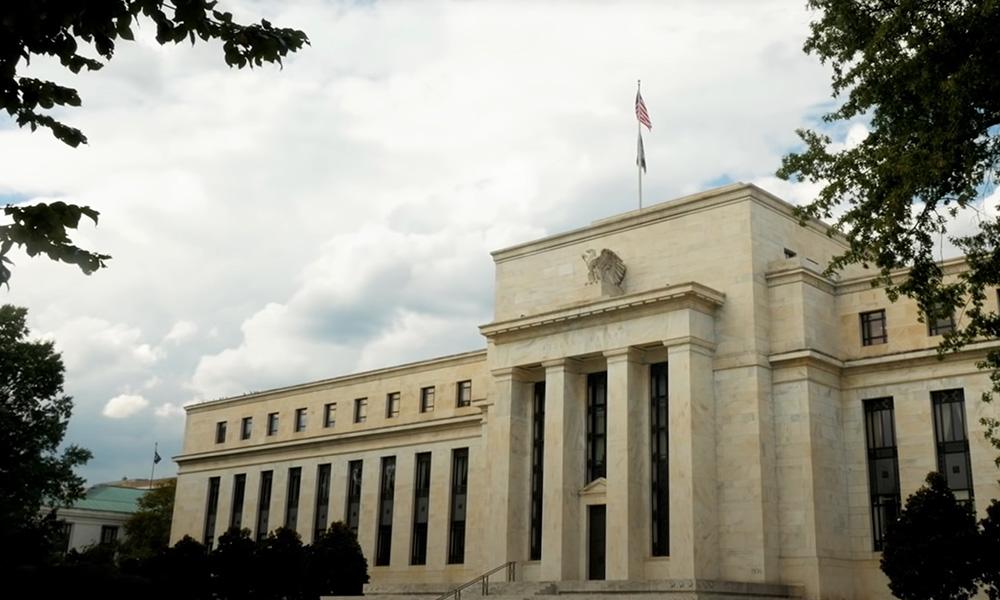
Jerome Powell's term as Federal Reserve Chairman ended on May 15. He recently made public remarks at an awards ceremony held by the John F. Kennedy Library Foundation in Boston, marking his first formal public statement since stepping down as chairman.
At the ceremony accepting the Kennedy Courage Award, Powell listed several instances of pressure from the White House, including the White House's public urging him to resign, the U.S. Department of Justice's criminal investigation into his tenure, and the administration's attempt to remove Federal Reserve Governor Lisa Cook from her post.
In January of this year, U.S. federal prosecutors launched an investigation into a $2.5 billion renovation project at the Federal Reserve's Washington headquarters. This investigation was ultimately dropped in April. Powell had previously stated that the root cause of this unfounded investigation was the then-White House official's dissatisfaction with the Federal Reserve's failure to lower benchmark interest rates according to its demands and the expected pace and magnitude; it was a targeted pressure campaign using legal means.
In his speech, Powell solemnly warned that if the U.S. administration can arbitrarily dismiss Federal Reserve officials based on differences in policy ideology, subsequent administrations will follow suit and interfere in central bank personnel matters. He stated that once this precedent is set, the general public will lose trust and no longer believe that the Federal Reserve sets interest rates and monetary policy purely based on the overall interests of the American people.
In addition, Powell commented from a macro-institutional perspective, stating that mature democratic institutions require a long period, a large amount of manpower and patience to gradually build, but the accumulated institutional achievements are easily damaged by improper intervention. Continuously optimizing institutional shortcomings while preserving the existing sound institutional framework is of paramount importance at present.
Kevin Warsh was sworn in as Chairman of the Federal Reserve on May 22. However, the personnel change did not sever Powell's connection with the Fed; despite stepping down as chairman, Powell retains his position on the Fed's Board of Governors and continues to participate in relevant internal Fed deliberations.
The conflict between the White House and the Federal Reserve over monetary policy and personnel appointments has a long history. Powell's recent public statements also indirectly confirm that cross-border intervention by the executive branch in central bank policy has become a real risk. With the new chairman in office, whether the White House will continue its past pressure tactics will directly influence the future direction of US interest rates and the global dollar asset market.
In summary, Powell's public remarks served both as a review of past instances of administrative intervention in the Federal Reserve and as a warning about the risks of the existing US financial system. Overreaching administrative power that interferes with the central bank's independent decision-making disrupts the pace of monetary policy in the short term and undermines the central bank's credibility and the foundation of the system in the long term.
In the future, while balancing price and employment goals, the Federal Reserve will also have to deal with potential intervention from the administrative side, and the uncertainty of US monetary policy may continue to rise.
Powell solemnly warned that arbitrary interference by the executive branch in the central bank's operations would not only erode public trust in the Federal Reserve but also damage the mature institutional system in the United States in the long run. With the new Federal Reserve Chairman taking office, the power struggle between the Fed and the White House has become a key variable influencing the future direction of US monetary policy.
In his first speech after leaving office, he detailed multiple administrative pressure measures.
Jerome Powell's term as Federal Reserve Chairman ended on May 15. He recently made public remarks at an awards ceremony held by the John F. Kennedy Library Foundation in Boston, marking his first formal public statement since stepping down as chairman.
At the ceremony accepting the Kennedy Courage Award, Powell listed several instances of pressure from the White House, including the White House's public urging him to resign, the U.S. Department of Justice's criminal investigation into his tenure, and the administration's attempt to remove Federal Reserve Governor Lisa Cook from her post.
In January of this year, U.S. federal prosecutors launched an investigation into a $2.5 billion renovation project at the Federal Reserve's Washington headquarters. This investigation was ultimately dropped in April. Powell had previously stated that the root cause of this unfounded investigation was the then-White House official's dissatisfaction with the Federal Reserve's failure to lower benchmark interest rates according to its demands and the expected pace and magnitude; it was a targeted pressure campaign using legal means.
A profound warning about systemic risks: the far-reaching consequences of administrative intervention.
In his speech, Powell solemnly warned that if the U.S. administration can arbitrarily dismiss Federal Reserve officials based on differences in policy ideology, subsequent administrations will follow suit and interfere in central bank personnel matters. He stated that once this precedent is set, the general public will lose trust and no longer believe that the Federal Reserve sets interest rates and monetary policy purely based on the overall interests of the American people.
In addition, Powell commented from a macro-institutional perspective, stating that mature democratic institutions require a long period, a large amount of manpower and patience to gradually build, but the accumulated institutional achievements are easily damaged by improper intervention. Continuously optimizing institutional shortcomings while preserving the existing sound institutional framework is of paramount importance at present.
With the personnel transition complete, the subsequent power struggles remain uncertain.
Kevin Warsh was sworn in as Chairman of the Federal Reserve on May 22. However, the personnel change did not sever Powell's connection with the Fed; despite stepping down as chairman, Powell retains his position on the Fed's Board of Governors and continues to participate in relevant internal Fed deliberations.
The conflict between the White House and the Federal Reserve over monetary policy and personnel appointments has a long history. Powell's recent public statements also indirectly confirm that cross-border intervention by the executive branch in central bank policy has become a real risk. With the new chairman in office, whether the White House will continue its past pressure tactics will directly influence the future direction of US interest rates and the global dollar asset market.
Summarize
In summary, Powell's public remarks served both as a review of past instances of administrative intervention in the Federal Reserve and as a warning about the risks of the existing US financial system. Overreaching administrative power that interferes with the central bank's independent decision-making disrupts the pace of monetary policy in the short term and undermines the central bank's credibility and the foundation of the system in the long term.
In the future, while balancing price and employment goals, the Federal Reserve will also have to deal with potential intervention from the administrative side, and the uncertainty of US monetary policy may continue to rise.
- Risk Warning and Disclaimer
- The market involves risk, and trading may not be suitable for all investors. This article is for reference only and does not constitute personal investment advice, nor does it take into account certain users’ specific investment objectives, financial situation, or other needs. Any investment decisions made based on this information are at your own risk.