













Gulf vessels begin evacuation, and disagreements resurface regarding verification: Can the US-Iran framework agreement survive 60 days?
2026-06-24 08:31:47
US President Trump claimed on Tuesday (June 23) that Iran had agreed to accept nuclear inspections "indefinitely," but Tehran categorically denied this.
As the two sides present diametrically opposed statements, the United Nations is working to evacuate hundreds of ships stranded in the Gulf region due to the conflict, casting a shadow over the prospects for the implementation of the initial peace agreement.
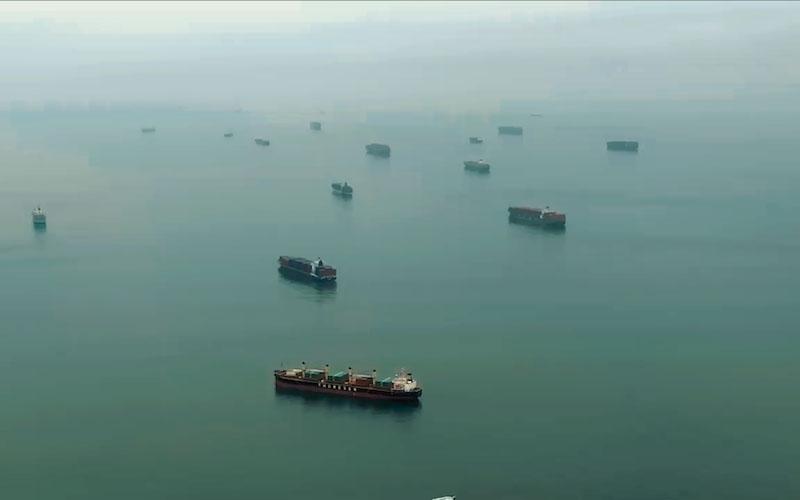
The United Nations shipping agency stated that following the ceasefire agreement reached between Washington and Tehran, a large-scale evacuation plan has been officially launched, aiming to safely evacuate approximately 11,000 seafarers stranded on ships in the Gulf via the Strait of Hormuz. During the conflict, Iran effectively blocked this strategic waterway, leaving a large number of ships stranded.
A spokesperson for the International Maritime Organization (IMO) stated that contact has been made with the vessels and evacuation operations have commenced, while emphasizing that "necessary security assurances" have been obtained and navigation conditions have been verified to be safe. IMO Secretary General Arsenio Dominguez further explained that this "large-scale operation" will be carried out in close collaboration with Iran, Oman, other coastal states, the United States, and the shipping industry, but a specific timetable has not yet been announced.
In another important signal of de-escalation, Washington agreed to grant Iran a 60-day sanctions waiver starting Monday, allowing Tehran to resume sales of oil and related products. The waiver will last until August 21. Trump also stated that Iranian assets unfrozen under the agreement will be placed in escrow accounts and specifically used to purchase humanitarian supplies from the United States, including "corn, wheat, and soybeans from our great American farmers."
However, Iran holds a different position regarding its autonomy in the use of the assets. Ali Bahreini, Iran's permanent representative to Geneva, previously stated that the use of the unfrozen funds would be decided by Iran itself, and the US had no right to interfere. This disagreement over control of the funds has created potential problems for the implementation of the agreement's economic terms.
The issue of nuclear facility inspections has become the most acute point of contention. US Vice President Vance stated that the talks in Bilgensstock, Switzerland, laid a good foundation for a final agreement, and that Iran has agreed to allow inspectors to return to the country.
However, Iran gave a completely different account. Iranian Foreign Ministry spokesman Baghae stated clearly on Tuesday that Iran did not meet with International Atomic Energy Agency (IAEA) Director General Grossi in Switzerland, nor did it plan to allow the agency to inspect Iran's damaged nuclear facilities. He emphasized that Iran did not discuss its nuclear program during the talks, nor did it agree to invite IAEA inspectors back.
Trump immediately responded on Truth Social, calling Iran's statements nothing more than "protests and false statements." He stated firmly, "Iran has fully and completely agreed to accept the highest level of inspections for the long term (indefinitely)." With both sides sticking to their own stories, it remains difficult for outsiders to discern the truth.
Since the first round of airstrikes by the US and Israel last year, Iran has restricted IAEA inspections and suspended them after the outbreak of the conflict. Iran has consistently maintained that its nuclear program is for peaceful purposes, but the US and Israel remain highly vigilant about its nuclear capabilities.
These contradictory statements highlight the immense uncertainty surrounding ending the more than three-month-long Middle East conflict. While the initial peace agreement provides a short-term window for resuming shipping and alleviating the humanitarian crisis, the sustainability of this fragile agreement will face severe challenges if disagreements on core issues such as inspection authority, asset control, and troop withdrawal from Lebanon cannot be resolved in the subsequent 60 days of negotiations. Analysts point out that the fundamental factual differences between the US and Iran have damaged the overall credibility of the agreement, leaving the global energy market and regional security landscape uncertain.
The US-Iran Agreed Framework provides a 60-day roadmap window for ending the conflict. Sanctions waivers and the evacuation of seafarers have stabilized energy supply chains and the humanitarian situation in the short term. However, the sustainability of the agreement will be tested if fundamental differences, such as inspection authority and asset control, are not resolved through IAEA technical negotiations and subsequent high-level dialogues. Global markets need to continue to monitor the recovery of oil exports, the resumption of shipping, and the pricing of geopolitical risks, as these factors will directly affect international oil price trends and the prospects for economic reconstruction in the Middle East.
Q1: What is the core of the disagreement over the verification issue in the US-Iran negotiations?
A: Trump and Vance claimed that Iran agreed to invite IAEA inspectors back to the damaged facilities and to accept the highest level of inspections indefinitely, but the Iranian Foreign Ministry explicitly denied discussing details of its nuclear program in the Swiss talks, nor did it commit to allowing inspections of sensitive areas. Iran insists its nuclear activities are for peaceful purposes, while the United States emphasizes that inspections are a prerequisite for security guarantees. This confrontation highlights the gap in the two sides' understanding of the facts and could delay the process of fully lifting sanctions.
Q2: What impact will the 60-day sanctions waiver have on Iranian oil exports and global oil prices?
A: The general license issued by the U.S. Treasury Department allows Iran to produce and sell crude oil, petrochemicals, and petroleum products until August 21, including related shipping services. Major buyers such as China are expected to increase purchases, and Iranian oil exports may rebound significantly in the short term, pushing oil prices down. Analysis shows that this move helps inject liquidity into the Iranian economy, but if no further agreement is reached after the waiver expires, the risk of export disruptions will reappear.
Q3: What is the progress of the UN seafarer evacuation plan?
A: The IMO has launched a large-scale operation targeting approximately 11,000 seafarers and hundreds of vessels stranded in the Strait of Hormuz due to the conflict. The operation is under multi-party security assurances and is currently contacting vessels and coordinating temporary routes. Successful evacuation will alleviate the humanitarian crisis and consolidate the initial ceasefire gains, but the full resumption of shipping will require the removal of potential risks.
Q4: How might disputes over the use of unfrozen assets affect the execution of the agreement?
A: The US hopes the unfrozen funds will be primarily used for purchasing US agricultural products and other consumer goods, with third-party oversight; Iran insists on its autonomy in fund allocation. Continued disagreements could delay the release of funds, weakening Iran's economic recovery and impacting the US's leverage in negotiations. The successful unfreezing of these billions of dollars in assets is expected to benefit global agricultural trade.
Q5: What are the prospects for a comprehensive peace framework agreement?
A: The agreement establishes a 60-day roadmap covering nuclear issues, sanctions, navigation through the Straits of Hormuz, and technical working groups on Lebanon, but core disagreements such as verification and financial controls require further negotiation. The market is optimistic about short-term energy stability, but long-term sustainability depends on IAEA updates and congressional developments. Investors should pay attention to oil price volatility and changes in geopolitical risk premiums.
As the two sides present diametrically opposed statements, the United Nations is working to evacuate hundreds of ships stranded in the Gulf region due to the conflict, casting a shadow over the prospects for the implementation of the initial peace agreement.
Humanitarian aid first: UN launches seafarer evacuation plan
The United Nations shipping agency stated that following the ceasefire agreement reached between Washington and Tehran, a large-scale evacuation plan has been officially launched, aiming to safely evacuate approximately 11,000 seafarers stranded on ships in the Gulf via the Strait of Hormuz. During the conflict, Iran effectively blocked this strategic waterway, leaving a large number of ships stranded.
A spokesperson for the International Maritime Organization (IMO) stated that contact has been made with the vessels and evacuation operations have commenced, while emphasizing that "necessary security assurances" have been obtained and navigation conditions have been verified to be safe. IMO Secretary General Arsenio Dominguez further explained that this "large-scale operation" will be carried out in close collaboration with Iran, Oman, other coastal states, the United States, and the shipping industry, but a specific timetable has not yet been announced.
Sanctions waivers and asset unfreezing: US and Iran offer conflicting accounts.
In another important signal of de-escalation, Washington agreed to grant Iran a 60-day sanctions waiver starting Monday, allowing Tehran to resume sales of oil and related products. The waiver will last until August 21. Trump also stated that Iranian assets unfrozen under the agreement will be placed in escrow accounts and specifically used to purchase humanitarian supplies from the United States, including "corn, wheat, and soybeans from our great American farmers."
However, Iran holds a different position regarding its autonomy in the use of the assets. Ali Bahreini, Iran's permanent representative to Geneva, previously stated that the use of the unfrozen funds would be decided by Iran itself, and the US had no right to interfere. This disagreement over control of the funds has created potential problems for the implementation of the agreement's economic terms.
Conflicting accounts regarding the verification: Trump claims Iran agreed, Tehran vehemently denies.
The issue of nuclear facility inspections has become the most acute point of contention. US Vice President Vance stated that the talks in Bilgensstock, Switzerland, laid a good foundation for a final agreement, and that Iran has agreed to allow inspectors to return to the country.
However, Iran gave a completely different account. Iranian Foreign Ministry spokesman Baghae stated clearly on Tuesday that Iran did not meet with International Atomic Energy Agency (IAEA) Director General Grossi in Switzerland, nor did it plan to allow the agency to inspect Iran's damaged nuclear facilities. He emphasized that Iran did not discuss its nuclear program during the talks, nor did it agree to invite IAEA inspectors back.
Trump immediately responded on Truth Social, calling Iran's statements nothing more than "protests and false statements." He stated firmly, "Iran has fully and completely agreed to accept the highest level of inspections for the long term (indefinitely)." With both sides sticking to their own stories, it remains difficult for outsiders to discern the truth.
Peace prospects tarnished: Conflicting statements highlight uncertainty
Since the first round of airstrikes by the US and Israel last year, Iran has restricted IAEA inspections and suspended them after the outbreak of the conflict. Iran has consistently maintained that its nuclear program is for peaceful purposes, but the US and Israel remain highly vigilant about its nuclear capabilities.
These contradictory statements highlight the immense uncertainty surrounding ending the more than three-month-long Middle East conflict. While the initial peace agreement provides a short-term window for resuming shipping and alleviating the humanitarian crisis, the sustainability of this fragile agreement will face severe challenges if disagreements on core issues such as inspection authority, asset control, and troop withdrawal from Lebanon cannot be resolved in the subsequent 60 days of negotiations. Analysts point out that the fundamental factual differences between the US and Iran have damaged the overall credibility of the agreement, leaving the global energy market and regional security landscape uncertain.
Editor's Summary
The US-Iran Agreed Framework provides a 60-day roadmap window for ending the conflict. Sanctions waivers and the evacuation of seafarers have stabilized energy supply chains and the humanitarian situation in the short term. However, the sustainability of the agreement will be tested if fundamental differences, such as inspection authority and asset control, are not resolved through IAEA technical negotiations and subsequent high-level dialogues. Global markets need to continue to monitor the recovery of oil exports, the resumption of shipping, and the pricing of geopolitical risks, as these factors will directly affect international oil price trends and the prospects for economic reconstruction in the Middle East.
Frequently Asked Questions
Q1: What is the core of the disagreement over the verification issue in the US-Iran negotiations?
A: Trump and Vance claimed that Iran agreed to invite IAEA inspectors back to the damaged facilities and to accept the highest level of inspections indefinitely, but the Iranian Foreign Ministry explicitly denied discussing details of its nuclear program in the Swiss talks, nor did it commit to allowing inspections of sensitive areas. Iran insists its nuclear activities are for peaceful purposes, while the United States emphasizes that inspections are a prerequisite for security guarantees. This confrontation highlights the gap in the two sides' understanding of the facts and could delay the process of fully lifting sanctions.
Q2: What impact will the 60-day sanctions waiver have on Iranian oil exports and global oil prices?
A: The general license issued by the U.S. Treasury Department allows Iran to produce and sell crude oil, petrochemicals, and petroleum products until August 21, including related shipping services. Major buyers such as China are expected to increase purchases, and Iranian oil exports may rebound significantly in the short term, pushing oil prices down. Analysis shows that this move helps inject liquidity into the Iranian economy, but if no further agreement is reached after the waiver expires, the risk of export disruptions will reappear.
Q3: What is the progress of the UN seafarer evacuation plan?
A: The IMO has launched a large-scale operation targeting approximately 11,000 seafarers and hundreds of vessels stranded in the Strait of Hormuz due to the conflict. The operation is under multi-party security assurances and is currently contacting vessels and coordinating temporary routes. Successful evacuation will alleviate the humanitarian crisis and consolidate the initial ceasefire gains, but the full resumption of shipping will require the removal of potential risks.
Q4: How might disputes over the use of unfrozen assets affect the execution of the agreement?
A: The US hopes the unfrozen funds will be primarily used for purchasing US agricultural products and other consumer goods, with third-party oversight; Iran insists on its autonomy in fund allocation. Continued disagreements could delay the release of funds, weakening Iran's economic recovery and impacting the US's leverage in negotiations. The successful unfreezing of these billions of dollars in assets is expected to benefit global agricultural trade.
Q5: What are the prospects for a comprehensive peace framework agreement?
A: The agreement establishes a 60-day roadmap covering nuclear issues, sanctions, navigation through the Straits of Hormuz, and technical working groups on Lebanon, but core disagreements such as verification and financial controls require further negotiation. The market is optimistic about short-term energy stability, but long-term sustainability depends on IAEA updates and congressional developments. Investors should pay attention to oil price volatility and changes in geopolitical risk premiums.
- Risk Warning and Disclaimer
- The market involves risk, and trading may not be suitable for all investors. This article is for reference only and does not constitute personal investment advice, nor does it take into account certain users’ specific investment objectives, financial situation, or other needs. Any investment decisions made based on this information are at your own risk.

