US Treasury Secretary strongly supports the Federal Reserve's abolition of the dot plot, unveiling a new monetary policy framework.
2026-06-25 10:23:37
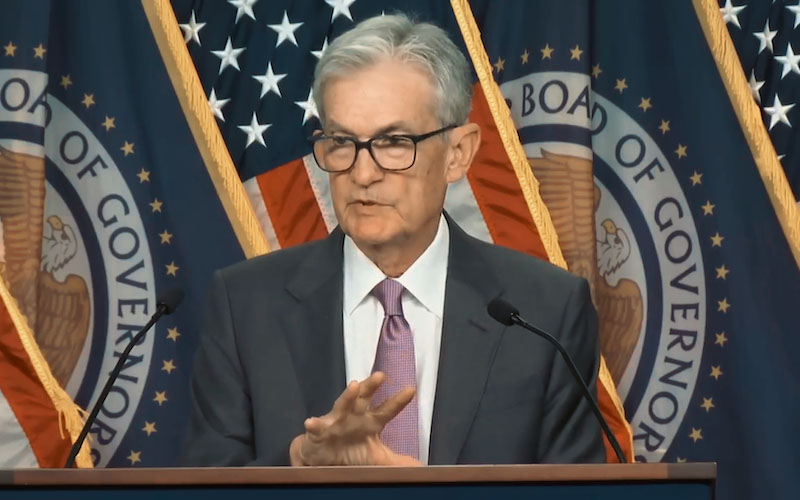
On Wednesday (June 24), U.S. Treasury Secretary Scott Bessent publicly expressed his full support for Federal Reserve Chairman Kevin Warsh's reforms, including weakening or even abolishing forward guidance on interest rates and eliminating the quarterly dot plot. He believes the traditional dot plot has become a fixed expectation "crutch" relied upon by the market, unable to adapt to the dynamically changing economic environment. He also pointed out that falling energy prices and artificial intelligence-enabled productivity improvements will effectively alleviate inflationary pressures, and the U.S. economy is expected to achieve high growth without inflation and a strong dollar.
Since 2012, the Federal Reserve has published its dot plot quarterly to show officials' projections of future policy rates, which has long served as a core reference for the market to predict the Fed's monetary policy path. However, after Warsh took office, he initiated reforms to the Fed's communication mechanism, forming a special task force to comprehensively review the existing policy communication system. The plan was to eliminate the publication of the dot plot and weaken or solidify forward guidance to avoid policy decisions being constrained by pre-set interest rate paths.
In an exclusive interview, Bessant explicitly expressed his approval of the reform. He said, "The dot plot forecasts are always biased and lack sustained reference value. The market's long-term reliance on the dot plot to form fixed expectations will instead constrain market judgment and the Fed's policy flexibility." He revealed that he will continue the tradition of having breakfast with Fed Chairman Warsh every week to maintain efficient coordination between fiscal and monetary policies.
The latest dot plot data released last week showed that half of the Federal Reserve officials who participated in the forecast predicted that there was a possibility of an interest rate hike this year. The solidified expectation of interest rate hikes has also made market predictions rigid, further highlighting the necessity of reform.
Bessant stated that the Federal Reserve's policy decisions need to remain open and flexible, dynamically assessing factors influencing inflation. Previously, the conflict with Iran pushed up energy prices, exacerbating market inflation concerns. However, as US-Iran negotiations progressed steadily and shipping in the Strait of Hormuz gradually returned to normal, inflationary pressures on the energy sector continued to ease. At the same time, the widespread application of artificial intelligence technology is continuously improving overall societal productivity, effectively offsetting various inflationary risks and helping inflation steadily decline towards the Federal Reserve's 2% policy target.
He said, "By leveraging production efficiency upgrades, the United States can achieve stronger economic growth momentum without triggering a traditional inflation rebound." He fully recognized Warsh's policy control capabilities, believing that he was able to accurately balance the dual policy objectives of price stability and employment protection, and that President Trump had consistently given the new Federal Reserve Chairman his full support both publicly and privately.
Regarding the future trend of the US dollar, Bessant offered a new assessment, breaking the traditional view that rising interest rates support a stronger dollar. He stated that the dollar's strength is not entirely dependent on an interest rate hike cycle; even if the Federal Reserve begins a rate-cutting cycle, the dollar still has a foundation for strength due to the accelerating recovery of the US economy.
He analyzed that the US economic recovery is significantly stronger than the global average, coupled with weak growth in most overseas economies and some even experiencing negative growth. The difference in economic growth rates and interest rate advantages between the US and overseas economies will continue to support the US dollar. Even with flexible adjustments to monetary policy, the relative advantages of the US economy will solidify the long-term strength of the US dollar.
The Federal Reserve's reforms, including abolishing the dot plot and weakening forward guidance, signify that US monetary policy is moving away from a fixed-expectation model and towards data-driven, dynamic, and flexible decision-making.
With the dual benefits of cooling energy inflation and AI boosting productivity, the US has a wider margin of opportunity to balance economic growth and inflation control. Combined with its strong relative economic advantages, the US dollar is expected to break free from the constraints of a single interest rate and maintain its strength. The Federal Reserve's flexible policy adjustments will also become a key factor influencing global financial market trends.
Abandoning rigid policy guidelines and abolishing dot plots to adapt to the dynamic economy
Since 2012, the Federal Reserve has published its dot plot quarterly to show officials' projections of future policy rates, which has long served as a core reference for the market to predict the Fed's monetary policy path. However, after Warsh took office, he initiated reforms to the Fed's communication mechanism, forming a special task force to comprehensively review the existing policy communication system. The plan was to eliminate the publication of the dot plot and weaken or solidify forward guidance to avoid policy decisions being constrained by pre-set interest rate paths.
In an exclusive interview, Bessant explicitly expressed his approval of the reform. He said, "The dot plot forecasts are always biased and lack sustained reference value. The market's long-term reliance on the dot plot to form fixed expectations will instead constrain market judgment and the Fed's policy flexibility." He revealed that he will continue the tradition of having breakfast with Fed Chairman Warsh every week to maintain efficient coordination between fiscal and monetary policies.
The latest dot plot data released last week showed that half of the Federal Reserve officials who participated in the forecast predicted that there was a possibility of an interest rate hike this year. The solidified expectation of interest rate hikes has also made market predictions rigid, further highlighting the necessity of reform.
Multiple positive factors are easing inflation, and the US is expected to achieve high growth without inflation.
Bessant stated that the Federal Reserve's policy decisions need to remain open and flexible, dynamically assessing factors influencing inflation. Previously, the conflict with Iran pushed up energy prices, exacerbating market inflation concerns. However, as US-Iran negotiations progressed steadily and shipping in the Strait of Hormuz gradually returned to normal, inflationary pressures on the energy sector continued to ease. At the same time, the widespread application of artificial intelligence technology is continuously improving overall societal productivity, effectively offsetting various inflationary risks and helping inflation steadily decline towards the Federal Reserve's 2% policy target.
He said, "By leveraging production efficiency upgrades, the United States can achieve stronger economic growth momentum without triggering a traditional inflation rebound." He fully recognized Warsh's policy control capabilities, believing that he was able to accurately balance the dual policy objectives of price stability and employment protection, and that President Trump had consistently given the new Federal Reserve Chairman his full support both publicly and privately.
The logic behind the US dollar's trajectory is being restructured; economic advantages support a long-term strong trend.
Regarding the future trend of the US dollar, Bessant offered a new assessment, breaking the traditional view that rising interest rates support a stronger dollar. He stated that the dollar's strength is not entirely dependent on an interest rate hike cycle; even if the Federal Reserve begins a rate-cutting cycle, the dollar still has a foundation for strength due to the accelerating recovery of the US economy.
He analyzed that the US economic recovery is significantly stronger than the global average, coupled with weak growth in most overseas economies and some even experiencing negative growth. The difference in economic growth rates and interest rate advantages between the US and overseas economies will continue to support the US dollar. Even with flexible adjustments to monetary policy, the relative advantages of the US economy will solidify the long-term strength of the US dollar.
Summarize
The Federal Reserve's reforms, including abolishing the dot plot and weakening forward guidance, signify that US monetary policy is moving away from a fixed-expectation model and towards data-driven, dynamic, and flexible decision-making.
With the dual benefits of cooling energy inflation and AI boosting productivity, the US has a wider margin of opportunity to balance economic growth and inflation control. Combined with its strong relative economic advantages, the US dollar is expected to break free from the constraints of a single interest rate and maintain its strength. The Federal Reserve's flexible policy adjustments will also become a key factor influencing global financial market trends.
- Risk Warning and Disclaimer
- The market involves risk, and trading may not be suitable for all investors. This article is for reference only and does not constitute personal investment advice, nor does it take into account certain users’ specific investment objectives, financial situation, or other needs. Any investment decisions made based on this information are at your own risk.