













Rubio's Gulf trip concludes: Allies' doubts remain, three core concerns test the US-Iran agreement.
2026-06-26 08:22:01
U.S. Secretary of State Marco Rubio concluded a three-day trip to the Gulf on Thursday (June 25), which aimed to garner support from regional allies for the initial peace agreement between the U.S. and Iran.
However, the Gulf states expressed serious concerns during the meeting, believing that the agreement was too lenient towards Iran.
Despite Rubio's repeated promises to guarantee the security of allies, the prospects for this peace agreement remain uncertain due to disagreements between the two sides on key issues such as the control of the Strait of Hormuz, Iran's missile capabilities, and the use of reconstruction funds.
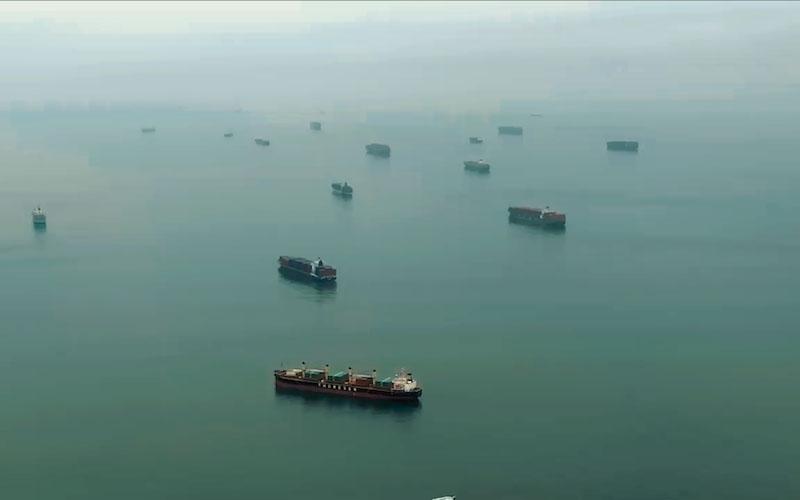
At the Gulf Arab foreign ministers' meeting in Bahrain, Rubio made it clear that Washington is seeking lasting peace with Iran, but never at the expense of the security of its regional allies.
He admitted that Gulf allies have “very serious concerns” about the agreement and are demanding to know every step, including the Strait of Hormuz clause.
Bahrain is home to the U.S. Navy's Fifth Fleet and is the final stop on Rubio's Middle East trip. Prior to this, Rubio had visited the UAE and Kuwait.
He told reporters in Kuwait, "We will not take any actions that would harm the security of our long-term allies in the region."
The Gulf states, having suffered missile and drone attacks from Iran during the conflict, are particularly cautious about the agreement. During the meeting, they expressed three core concerns to Rubio:
First, the issue of strait control and passage fees. The United States and the Gulf Cooperation Council (GCC) issued a joint statement after the meeting, supporting “free, unconditional and unrestricted navigation” in the Strait of Hormuz, and explicitly opposing “collecting any passage fees or charges, nor attempting to exert control.”
Rubio stated firmly, "No country in the world has the right to charge international shipping lanes," and warned that if Iran threatens or intercepts ships in the Strait, "then we will face problems."
Bahraini Foreign Minister Zayani, who chaired the talks, welcomed Oman's announcement of establishing a safe passage for ships in the Strait of Hormuz. Oman stated that the future arrangements for the Strait of Hormuz would not involve passage fees.
Secondly, Iran's ballistic missile and drone capabilities. The statement emphasized that achieving lasting peace requires addressing issues such as Iran's ballistic missiles, drones, and its support for proxy armed groups. This wording reflects the deep concern among Gulf states regarding Iran's military expansion.
Third, the $300 billion reconstruction fund. Gulf states are concerned that Iran might use this massive sum to restore its military capabilities. Rubio stated that the specific arrangements for the fund were not discussed during the trip, a evasive stance that could further exacerbate the allies' concerns.
This visit marks the first high-level diplomatic contact since the framework agreement reached between the US and Iran last week. The six GCC members (Saudi Arabia, Qatar, Oman, the UAE, Bahrain, and Kuwait) are all strategic allies of the United States and provided varying degrees of logistical support to the US military during the conflict, thus all being impacted by Iranian airstrikes.
These countries form the core of the US Middle East security system. If any of them were to reassess its security relationship with the US, it could significantly impact US military strategy in the region. Therefore, Rubio's trip was not merely a diplomatic effort, but also a stabilization operation within the alliance system.
In the joint statement, the United States and the Gulf states also emphasized the need to continue negotiations on the Lebanon issue "unconditionally" and called on non-state armed groups to disarm. The countries also supported continued aid to Syria, an end to the Gaza conflict, and respect for Kuwait's sovereignty.
Rubio's trip to the Gulf temporarily stabilized alliances, but failed to completely dispel the deep-seated doubts of Gulf states regarding the US-Iran agreement. Control of the Strait of Hormuz and the issue of Iranian military power remain core obstacles, and the implementation of the agreement faces multiple challenges. The short-term decline in oil prices is beneficial to the global energy market, but geopolitical uncertainties will continue to support risk premiums, and the medium- to long-term trend depends on the progress of subsequent negotiations and the actual effectiveness of implementation.
Q1: What was the main purpose of Rubio's trip to the Gulf?
A: Rubio's trip aimed to garner support from Gulf allies for the initial US-Iran peace agreement, while also allaying their concerns that the agreement was "too lenient toward Iran." Through visits to the UAE, Kuwait, and Bahrain, he reiterated that the US would not sacrifice the security of its allies and sought to maintain the stability of the US security architecture in the Middle East.
Q2: What are the core concerns of the Gulf countries regarding the agreement?
A: There are three main concerns: First, the issue of control and passage fees in the Strait of Hormuz, with Gulf states firmly opposing any fees imposed by Iran; second, Iran's ballistic missile and drone capabilities, arguing that the agreement does not adequately limit its military expansion; and third, the $300 billion reconstruction fund, with concerns that Iran might use the funds to restore its military capabilities rather than improve people's livelihoods. These concerns stem from the attacks suffered by Gulf states during the conflict.
Q3: How will Rubio respond to the Straits issue?
A: Rubio strongly opposed any country charging fees for international shipping lanes, and the joint statement from the United States and the Gulf Cooperation Council supported "freedom and unconditional navigation" in the Strait of Hormuz. He warned that Iran would face serious consequences if it threatened or intercepted ships, and emphasized that the United States would guarantee the security of its allies.
Q4: What is the strategic background of this visit?
A: The six Gulf states are core strategic allies of the United States, providing logistical support during conflicts and suffering attacks from Iran. If these allies lose confidence in the U.S. security commitment, it could undermine the U.S. military presence in the Middle East. Rubio's trip is not merely about promoting agreements, but also a "stability maintenance" operation to uphold the alliance system, involving multiple regional issues such as Lebanon, Syria, and Gaza.
Q5: What impact will the prospects of the agreement have on the global energy market?
A: If the agreement proceeds smoothly, it will further stabilize navigation in the Strait of Hormuz, alleviate the risk to approximately one-fifth of global oil supply, and keep oil prices low. Currently, Brent crude oil has fallen significantly from its peak. However, continued disagreements could lead to increased transportation costs and a resurgence of risk premiums, impacting global energy prices, inflation expectations, and related asset pricing. Investors should pay close attention to subsequent diplomatic developments.
However, the Gulf states expressed serious concerns during the meeting, believing that the agreement was too lenient towards Iran.
Despite Rubio's repeated promises to guarantee the security of allies, the prospects for this peace agreement remain uncertain due to disagreements between the two sides on key issues such as the control of the Strait of Hormuz, Iran's missile capabilities, and the use of reconstruction funds.
Rubio's core commitment: A peace agreement will not come at the expense of the security of allies.
At the Gulf Arab foreign ministers' meeting in Bahrain, Rubio made it clear that Washington is seeking lasting peace with Iran, but never at the expense of the security of its regional allies.
He admitted that Gulf allies have “very serious concerns” about the agreement and are demanding to know every step, including the Strait of Hormuz clause.
Bahrain is home to the U.S. Navy's Fifth Fleet and is the final stop on Rubio's Middle East trip. Prior to this, Rubio had visited the UAE and Kuwait.
He told reporters in Kuwait, "We will not take any actions that would harm the security of our long-term allies in the region."
Three core concerns of Gulf allies
The Gulf states, having suffered missile and drone attacks from Iran during the conflict, are particularly cautious about the agreement. During the meeting, they expressed three core concerns to Rubio:
First, the issue of strait control and passage fees. The United States and the Gulf Cooperation Council (GCC) issued a joint statement after the meeting, supporting “free, unconditional and unrestricted navigation” in the Strait of Hormuz, and explicitly opposing “collecting any passage fees or charges, nor attempting to exert control.”
Rubio stated firmly, "No country in the world has the right to charge international shipping lanes," and warned that if Iran threatens or intercepts ships in the Strait, "then we will face problems."
Bahraini Foreign Minister Zayani, who chaired the talks, welcomed Oman's announcement of establishing a safe passage for ships in the Strait of Hormuz. Oman stated that the future arrangements for the Strait of Hormuz would not involve passage fees.
Secondly, Iran's ballistic missile and drone capabilities. The statement emphasized that achieving lasting peace requires addressing issues such as Iran's ballistic missiles, drones, and its support for proxy armed groups. This wording reflects the deep concern among Gulf states regarding Iran's military expansion.
Third, the $300 billion reconstruction fund. Gulf states are concerned that Iran might use this massive sum to restore its military capabilities. Rubio stated that the specific arrangements for the fund were not discussed during the trip, a evasive stance that could further exacerbate the allies' concerns.
Strategic Background: Why are Gulf Allies So Uneasy?
This visit marks the first high-level diplomatic contact since the framework agreement reached between the US and Iran last week. The six GCC members (Saudi Arabia, Qatar, Oman, the UAE, Bahrain, and Kuwait) are all strategic allies of the United States and provided varying degrees of logistical support to the US military during the conflict, thus all being impacted by Iranian airstrikes.
These countries form the core of the US Middle East security system. If any of them were to reassess its security relationship with the US, it could significantly impact US military strategy in the region. Therefore, Rubio's trip was not merely a diplomatic effort, but also a stabilization operation within the alliance system.
In the joint statement, the United States and the Gulf states also emphasized the need to continue negotiations on the Lebanon issue "unconditionally" and called on non-state armed groups to disarm. The countries also supported continued aid to Syria, an end to the Gaza conflict, and respect for Kuwait's sovereignty.
Editor's Summary
Rubio's trip to the Gulf temporarily stabilized alliances, but failed to completely dispel the deep-seated doubts of Gulf states regarding the US-Iran agreement. Control of the Strait of Hormuz and the issue of Iranian military power remain core obstacles, and the implementation of the agreement faces multiple challenges. The short-term decline in oil prices is beneficial to the global energy market, but geopolitical uncertainties will continue to support risk premiums, and the medium- to long-term trend depends on the progress of subsequent negotiations and the actual effectiveness of implementation.
Frequently Asked Questions
Q1: What was the main purpose of Rubio's trip to the Gulf?
A: Rubio's trip aimed to garner support from Gulf allies for the initial US-Iran peace agreement, while also allaying their concerns that the agreement was "too lenient toward Iran." Through visits to the UAE, Kuwait, and Bahrain, he reiterated that the US would not sacrifice the security of its allies and sought to maintain the stability of the US security architecture in the Middle East.
Q2: What are the core concerns of the Gulf countries regarding the agreement?
A: There are three main concerns: First, the issue of control and passage fees in the Strait of Hormuz, with Gulf states firmly opposing any fees imposed by Iran; second, Iran's ballistic missile and drone capabilities, arguing that the agreement does not adequately limit its military expansion; and third, the $300 billion reconstruction fund, with concerns that Iran might use the funds to restore its military capabilities rather than improve people's livelihoods. These concerns stem from the attacks suffered by Gulf states during the conflict.
Q3: How will Rubio respond to the Straits issue?
A: Rubio strongly opposed any country charging fees for international shipping lanes, and the joint statement from the United States and the Gulf Cooperation Council supported "freedom and unconditional navigation" in the Strait of Hormuz. He warned that Iran would face serious consequences if it threatened or intercepted ships, and emphasized that the United States would guarantee the security of its allies.
Q4: What is the strategic background of this visit?
A: The six Gulf states are core strategic allies of the United States, providing logistical support during conflicts and suffering attacks from Iran. If these allies lose confidence in the U.S. security commitment, it could undermine the U.S. military presence in the Middle East. Rubio's trip is not merely about promoting agreements, but also a "stability maintenance" operation to uphold the alliance system, involving multiple regional issues such as Lebanon, Syria, and Gaza.
Q5: What impact will the prospects of the agreement have on the global energy market?
A: If the agreement proceeds smoothly, it will further stabilize navigation in the Strait of Hormuz, alleviate the risk to approximately one-fifth of global oil supply, and keep oil prices low. Currently, Brent crude oil has fallen significantly from its peak. However, continued disagreements could lead to increased transportation costs and a resurgence of risk premiums, impacting global energy prices, inflation expectations, and related asset pricing. Investors should pay close attention to subsequent diplomatic developments.
- Risk Warning and Disclaimer
- The market involves risk, and trading may not be suitable for all investors. This article is for reference only and does not constitute personal investment advice, nor does it take into account certain users’ specific investment objectives, financial situation, or other needs. Any investment decisions made based on this information are at your own risk.

