The attack on the cargo ship has disrupted the brief recovery in strait shipping, and the risks to the shipping lanes have escalated again.
2026-06-29 14:26:35
Following the implementation of the US-Iran ceasefire agreement, shipping order in the Strait of Hormuz saw a temporary recovery, with the number of vessels passing through steadily increasing. The market initially anticipated that the difficulties in transporting crude oil from the Gulf would gradually ease. However, the sudden attack on a merchant ship, the first such incident since the ceasefire, completely shattered the brief period of stability. Uncertainty regarding navigation in the strait increased significantly, forcing the UN evacuation plan to be suspended and some oil tankers to make emergency returns.
Currently, there are two opposing navigation control systems in the Taiwan Strait. Coupled with the risks of mines, high insurance costs, and geopolitical competition, shipping companies are caught in a dilemma, and the process of full recovery of the waterway has been significantly hindered.
Since the US and Iran reached a 60-day ceasefire agreement, shipping activity in the Strait of Hormuz has recovered rapidly. In the week of June 15 to June 21, a total of 125 ships passed through the strait, setting a new weekly record since the escalation of the regional situation at the end of February.
Major shipping companies are seizing the window of opportunity to stockpile crude oil in the Gulf region in an effort to mitigate unknown risks after the ceasefire period ends.
On June 24, shipping data agency AXS Marine monitored a total of 62 civilian vessels passing through the area, marking a peak in single-day traffic since the tensions began. However, overall capacity only recovered to 53% of the same period last year, indicating that the recovery was still limited.
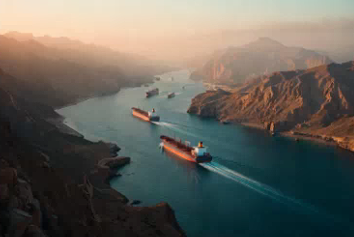
The brief recovery in shipping traffic was disrupted by a sudden crisis. Last Wednesday, the Iranian Revolutionary Guard issued new navigation control regulations, mandating that all vessels use only the northern route and strictly adhere to Iranian navigation guidelines. Hours later, the Singapore-flagged container ship "Evergreen Lovely," owned by Evergreen Marine Corporation, was attacked with ammunition on its starboard side in waters near Oman. US officials confirmed that the attack was carried out by the Iranian Revolutionary Guard, marking the first attack on a civilian merchant vessel since the ceasefire agreement took effect.
As a result, local shipping risk aversion intensified rapidly, the UN's planned evacuation efforts were completely suspended, and some oil tankers immediately returned to port to avoid danger.
As a vital energy choke point carrying 20% of the world's crude oil shipments, the security situation in the Strait of Hormuz directly affects the stability of the global energy supply chain.
Currently, the Strait of Hormuz has two independent navigation control systems with conflicting rules, lacking unified passage standards, which greatly increases the difficulty of navigation.
Before the war, conventional commercial shipping lanes remained closed due to mine threats, leaving only two alternative routes: the northern route, entirely controlled by Iran, and the southern route, which relies on Omani waters and is guided by Omani navigation guidelines and monitored by the US Navy. Iran has explicitly warned that vessels not reporting their presence or using the northern route will be subject to action, directly conflicting with the US- and Austrian-backed rules for navigation in the southern route.
Major shipping companies are facing a difficult choice: resuming operations hastily would incur geopolitical security risks, while suspending transportation would result in a loss of market share and allow competitors to seize the initiative.
Industry organizations have differing opinions on the impact of this sudden event.
Aristidis Alafouzos, CEO of Greek environmental tanker company Okinis, said that a single attack is unlikely to change the overall trend of shipping recovery. Kuwait and the UAE will continue to steadily export crude oil. Only Saudi crude oil is still not exported from the Persian Gulf and is entirely exported through Yanbu Port on the Red Sea.
However, most shipping companies remain cautious. Tim Huxley, CEO of Mandarin Shipping in Singapore, said that the distribution of mines in the strait is still unclear, posing a huge risk to navigation. Furthermore, the division of responsibilities is ambiguous, and coupled with the high war risk premiums, most ship owners have chosen to wait and see and postpone navigation.
Lin Hanshen, head of Asia Group's mainland China region, stated frankly that current shipping risks have evolved into a severe test of businesses' business models. He noted that market focus has shifted from cargo safety to insurance coverage, with war risk premiums for single voyages soaring from 0.05% to over 0.7% of the ship's value.
Attacks or seizures of ships not only result in cargo loss, but also damage customer relationships, affect subsequent insurance renewals, and shake the foundation of business operations. Without the guarantee of safety, transportation efficiency is meaningless.
Overall, while shipping in the Strait of Hormuz has seen a phase of recovery, unforeseen attacks, conflicts between the two-track management system, the risk of mines, and high operating costs continue to suppress the pace of recovery.
While the short-term shipping recovery trend persists, geopolitical risks have not been completely eliminated. Before unified safe navigation rules are implemented, cross-strait traffic will remain highly volatile and risky, which will constrain the stability of the global crude oil transportation supply chain in the long term.
Currently, there are two opposing navigation control systems in the Taiwan Strait. Coupled with the risks of mines, high insurance costs, and geopolitical competition, shipping companies are caught in a dilemma, and the process of full recovery of the waterway has been significantly hindered.
The ceasefire has spurred a recovery in shipping, with daily traffic volume reaching a new high for the period.
Since the US and Iran reached a 60-day ceasefire agreement, shipping activity in the Strait of Hormuz has recovered rapidly. In the week of June 15 to June 21, a total of 125 ships passed through the strait, setting a new weekly record since the escalation of the regional situation at the end of February.
Major shipping companies are seizing the window of opportunity to stockpile crude oil in the Gulf region in an effort to mitigate unknown risks after the ceasefire period ends.
On June 24, shipping data agency AXS Marine monitored a total of 62 civilian vessels passing through the area, marking a peak in single-day traffic since the tensions began. However, overall capacity only recovered to 53% of the same period last year, indicating that the recovery was still limited.
Geopolitical conflict reignites; first attack on merchant ships since ceasefire.
The brief recovery in shipping traffic was disrupted by a sudden crisis. Last Wednesday, the Iranian Revolutionary Guard issued new navigation control regulations, mandating that all vessels use only the northern route and strictly adhere to Iranian navigation guidelines. Hours later, the Singapore-flagged container ship "Evergreen Lovely," owned by Evergreen Marine Corporation, was attacked with ammunition on its starboard side in waters near Oman. US officials confirmed that the attack was carried out by the Iranian Revolutionary Guard, marking the first attack on a civilian merchant vessel since the ceasefire agreement took effect.
As a result, local shipping risk aversion intensified rapidly, the UN's planned evacuation efforts were completely suspended, and some oil tankers immediately returned to port to avoid danger.
As a vital energy choke point carrying 20% of the world's crude oil shipments, the security situation in the Strait of Hormuz directly affects the stability of the global energy supply chain.
The conflict between the two-track control system has left shipping companies in a dilemma.
Currently, the Strait of Hormuz has two independent navigation control systems with conflicting rules, lacking unified passage standards, which greatly increases the difficulty of navigation.
Before the war, conventional commercial shipping lanes remained closed due to mine threats, leaving only two alternative routes: the northern route, entirely controlled by Iran, and the southern route, which relies on Omani waters and is guided by Omani navigation guidelines and monitored by the US Navy. Iran has explicitly warned that vessels not reporting their presence or using the northern route will be subject to action, directly conflicting with the US- and Austrian-backed rules for navigation in the southern route.
Major shipping companies are facing a difficult choice: resuming operations hastily would incur geopolitical security risks, while suspending transportation would result in a loss of market share and allow competitors to seize the initiative.
Market opinions are divided, and the risks of long-term resumption of operations have not yet been eliminated.
Industry organizations have differing opinions on the impact of this sudden event.
Aristidis Alafouzos, CEO of Greek environmental tanker company Okinis, said that a single attack is unlikely to change the overall trend of shipping recovery. Kuwait and the UAE will continue to steadily export crude oil. Only Saudi crude oil is still not exported from the Persian Gulf and is entirely exported through Yanbu Port on the Red Sea.
However, most shipping companies remain cautious. Tim Huxley, CEO of Mandarin Shipping in Singapore, said that the distribution of mines in the strait is still unclear, posing a huge risk to navigation. Furthermore, the division of responsibilities is ambiguous, and coupled with the high war risk premiums, most ship owners have chosen to wait and see and postpone navigation.
Soaring industry costs and rising business pressures
Lin Hanshen, head of Asia Group's mainland China region, stated frankly that current shipping risks have evolved into a severe test of businesses' business models. He noted that market focus has shifted from cargo safety to insurance coverage, with war risk premiums for single voyages soaring from 0.05% to over 0.7% of the ship's value.
Attacks or seizures of ships not only result in cargo loss, but also damage customer relationships, affect subsequent insurance renewals, and shake the foundation of business operations. Without the guarantee of safety, transportation efficiency is meaningless.
Summarize
Overall, while shipping in the Strait of Hormuz has seen a phase of recovery, unforeseen attacks, conflicts between the two-track management system, the risk of mines, and high operating costs continue to suppress the pace of recovery.
While the short-term shipping recovery trend persists, geopolitical risks have not been completely eliminated. Before unified safe navigation rules are implemented, cross-strait traffic will remain highly volatile and risky, which will constrain the stability of the global crude oil transportation supply chain in the long term.
- Risk Warning and Disclaimer
- The market involves risk, and trading may not be suitable for all investors. This article is for reference only and does not constitute personal investment advice, nor does it take into account certain users’ specific investment objectives, financial situation, or other needs. Any investment decisions made based on this information are at your own risk.