Gold Trading Alert: Conflict Resurges in the Middle East! Gold Prices Open Lower and Fall Below $4100; Will the Market Continue to Plunge Amidst the Cloud of Interest Rate Hikes?
2026-07-13 07:44:39
The global gold market is currently experiencing significant volatility. In mid-July 2026, with the sharp escalation of the US-Iran conflict, the safety of shipping in the Strait of Hormuz became the biggest uncertainty factor for the global energy lifeline, putting significant downward pressure on gold prices. While geopolitical risks typically benefit gold as a traditional safe-haven asset, current inflation concerns triggered by soaring oil prices and strengthened expectations of a Federal Reserve interest rate hike have made it difficult for gold to maintain its safe-haven appeal in the short term. Last Friday, spot gold slightly retreated to around $4119 per ounce, and after opening this week, it even broke below the $4100 mark, reaching a low of $4068.57 per ounce as of 07:40, reflecting complex and cautious market sentiment.
The intensity of this round of US-Iran confrontation far exceeded market expectations. The US launched multiple precision strikes against various Iranian military targets in response to attacks on merchant ships in the Strait of Hormuz, while Iran expanded its attacks to facilities in several Gulf states and announced the closure of this vital global oil shipping route. The conflict directly led to a weekly rise in international oil prices, with US crude oil surging nearly 4% at one point. This rapid increase in energy prices quickly translated into inflation expectations.
Rising energy costs have directly exacerbated global inflationary pressures, which is the core reason suppressing gold prices. Bart Melek, Global Head of Commodity Strategy at TD Securities, stated bluntly that the main driving factor is the renewed escalation of tensions between the US and Iran. Investors are currently generally unwilling to continue holding gold and silver, causing gold prices to fall back to the $4,100 level. The International Energy Agency's previous prediction of a significant oversupply in the oil market next year may be completely overturned by this round of conflict, with supply concerns dominating the market narrative.
The Strait of Hormuz carries approximately one-fifth of global oil and gas trade, and the risk of shipping disruptions has dramatically increased uncertainty in the energy supply chain. While the US military emphasizes that the strait remains open to legitimate vessels, actual traffic has significantly decreased. Coupled with the cycle of retaliatory attacks from Iran and continued US airstrikes, a clear easing is unlikely in the short term. Against this backdrop, the traditional logic of gold as a safe-haven asset has been temporarily suppressed by the real pressures of inflation and interest rate hikes, resulting in significant downward pressure on its price.
Rising energy prices and inflationary concerns have directly reinforced market expectations of a tightening of US monetary policy. According to the latest data from the CME FedWatch tool, traders now expect a 74% probability of a Fed rate hike in September and an 88% probability of a rate hike this year. This shift in expectations is significantly bearish for gold, as a higher interest rate environment increases the opportunity cost of holding gold, a non-interest-bearing asset.
This week, market focus will be heavily on Federal Reserve Chairman Warsh's congressional testimony and a series of key inflation and economic data. Tuesday's June US CPI report, Wednesday's PPI and manufacturing data, Thursday's retail sales and jobless claims figures, and Friday's housing starts will all provide clearer guidance on the path of monetary policy . Investors are trying to determine whether the energy price shock is temporary or will evolve into persistent inflationary pressures. If the data confirms sticky inflation, the Fed's hawkish stance may be further solidified, and the short-term downward pressure on gold prices may continue.
Market participants are divided on the short-term outlook for gold. Kitco News' weekly gold survey shows that Wall Street analysts are divided: some experts hold a neutral or bearish stance, believing that gold prices are unlikely to find any catalysts given the ongoing conflict in Iran and the upside risks to oil prices. David Pavillonis, senior commodities broker at StoneX Group, bluntly stated that the gold chart "looks really bad" and may weaken further. If it breaks below recent lows, it could test the $3800-$3600 range, or even lower. He also pointed out that funds are flowing from the precious metals market to other areas, Asian demand is temporarily weakening, and the market lacks a positive feedback loop.
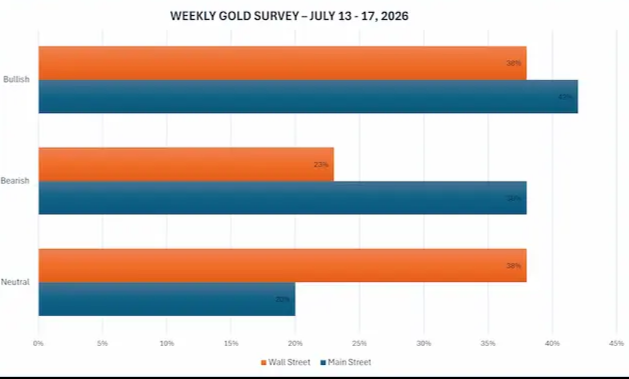
However, some remain optimistic. Mark Libovit, publisher of VR Metals/Resource Letter, is bullish on the medium- to long-term outlook, believing that gold prices could challenge $4,700-$4,800 per ounce in the coming weeks. Main Street retail investors are also clearly divided, with some waiting for a more compelling reason to buy, rather than simply engaging in hindsight-based bottom-fishing.
From a technical perspective, gold is currently in a slow downward channel, near a key support area, and faces the risk of a significant accumulation of sell orders. However, if there are substantial signs of easing geopolitical tensions or if inflation data falls short of expectations, gold prices may see a technical rebound.
In summary, the gold market is currently facing pressure from both geopolitical risk premiums and expectations of monetary policy tightening. The escalating US-Iran conflict has injected uncertainty into oil prices and inflation, while the Federal Reserve's intensive data releases and testimony this week will serve as a barometer of market sentiment. In the short term, gold prices may continue to fluctuate within the $4,000-$4,200 range, or even test lower support levels; however, from a medium- to long-term perspective, the protracted geopolitical conflict, the pressure of global energy transition, and central bank gold purchasing trends still provide a solid foundation for gold's upward movement.
Investors need to closely monitor the latest developments in the Strait of Hormuz situation and the actual statements from the Federal Reserve. In the current climate of both risks and opportunities, gold's "safe-haven" properties have not disappeared; they have simply been temporarily overshadowed by the more pressing logic of interest rate hikes. Once any of these variables shifts, this dormant "golden beast" may quickly awaken and launch a strong rebound. Investors are advised to remain cautious, flexibly adjust their positions based on macroeconomic data and geopolitical dynamics, and seize potential buying opportunities at lower prices.
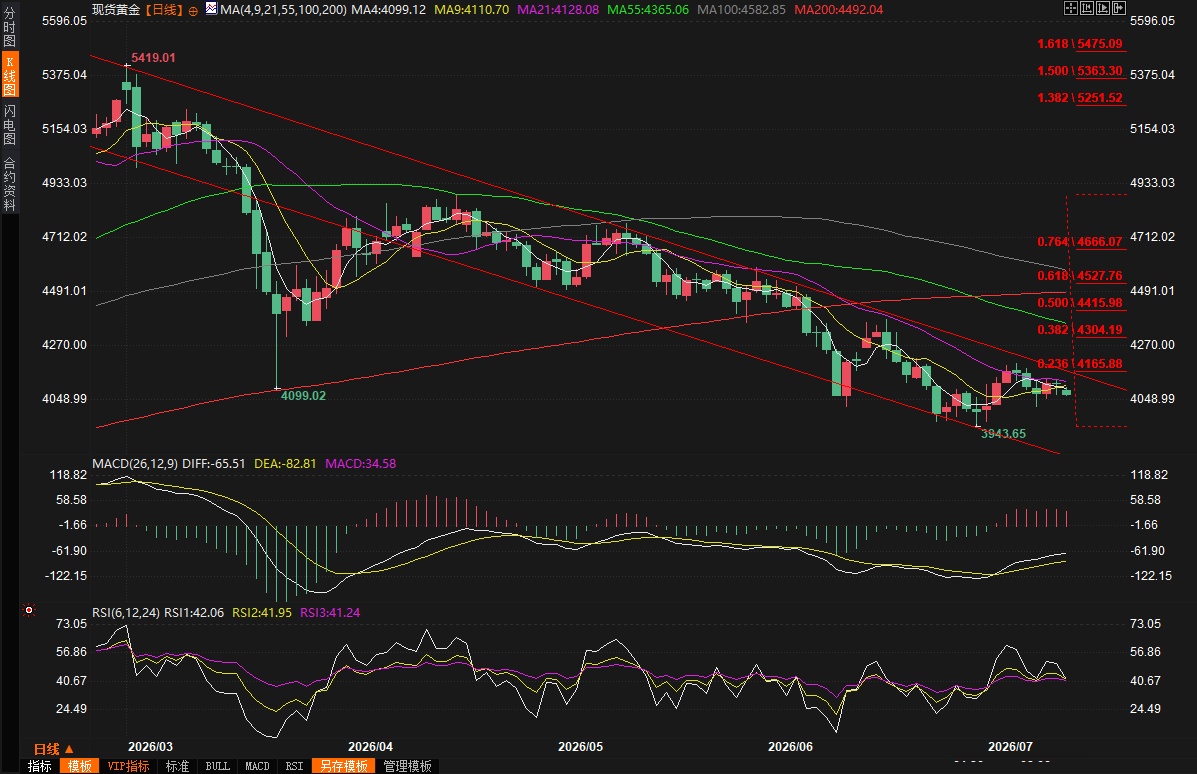
(Spot gold daily chart, source: FX678)
At 07:42 Beijing time, spot gold was trading at $4077.35 per ounce.
Geopolitical conflicts escalate: Oil prices and inflation suffer double blow, gold's safe-haven appeal temporarily fails.
The intensity of this round of US-Iran confrontation far exceeded market expectations. The US launched multiple precision strikes against various Iranian military targets in response to attacks on merchant ships in the Strait of Hormuz, while Iran expanded its attacks to facilities in several Gulf states and announced the closure of this vital global oil shipping route. The conflict directly led to a weekly rise in international oil prices, with US crude oil surging nearly 4% at one point. This rapid increase in energy prices quickly translated into inflation expectations.
Rising energy costs have directly exacerbated global inflationary pressures, which is the core reason suppressing gold prices. Bart Melek, Global Head of Commodity Strategy at TD Securities, stated bluntly that the main driving factor is the renewed escalation of tensions between the US and Iran. Investors are currently generally unwilling to continue holding gold and silver, causing gold prices to fall back to the $4,100 level. The International Energy Agency's previous prediction of a significant oversupply in the oil market next year may be completely overturned by this round of conflict, with supply concerns dominating the market narrative.
The Strait of Hormuz carries approximately one-fifth of global oil and gas trade, and the risk of shipping disruptions has dramatically increased uncertainty in the energy supply chain. While the US military emphasizes that the strait remains open to legitimate vessels, actual traffic has significantly decreased. Coupled with the cycle of retaliatory attacks from Iran and continued US airstrikes, a clear easing is unlikely in the short term. Against this backdrop, the traditional logic of gold as a safe-haven asset has been temporarily suppressed by the real pressures of inflation and interest rate hikes, resulting in significant downward pressure on its price.
Monetary policy expectations tighten: The probability of a Fed rate hike in September surges to 74%.
Rising energy prices and inflationary concerns have directly reinforced market expectations of a tightening of US monetary policy. According to the latest data from the CME FedWatch tool, traders now expect a 74% probability of a Fed rate hike in September and an 88% probability of a rate hike this year. This shift in expectations is significantly bearish for gold, as a higher interest rate environment increases the opportunity cost of holding gold, a non-interest-bearing asset.
This week, market focus will be heavily on Federal Reserve Chairman Warsh's congressional testimony and a series of key inflation and economic data. Tuesday's June US CPI report, Wednesday's PPI and manufacturing data, Thursday's retail sales and jobless claims figures, and Friday's housing starts will all provide clearer guidance on the path of monetary policy . Investors are trying to determine whether the energy price shock is temporary or will evolve into persistent inflationary pressures. If the data confirms sticky inflation, the Fed's hawkish stance may be further solidified, and the short-term downward pressure on gold prices may continue.
Analysts hold differing opinions: short-term outlook is predominantly bearish, while long-term expectations remain for a target of $4,700.
Market participants are divided on the short-term outlook for gold. Kitco News' weekly gold survey shows that Wall Street analysts are divided: some experts hold a neutral or bearish stance, believing that gold prices are unlikely to find any catalysts given the ongoing conflict in Iran and the upside risks to oil prices. David Pavillonis, senior commodities broker at StoneX Group, bluntly stated that the gold chart "looks really bad" and may weaken further. If it breaks below recent lows, it could test the $3800-$3600 range, or even lower. He also pointed out that funds are flowing from the precious metals market to other areas, Asian demand is temporarily weakening, and the market lacks a positive feedback loop.
However, some remain optimistic. Mark Libovit, publisher of VR Metals/Resource Letter, is bullish on the medium- to long-term outlook, believing that gold prices could challenge $4,700-$4,800 per ounce in the coming weeks. Main Street retail investors are also clearly divided, with some waiting for a more compelling reason to buy, rather than simply engaging in hindsight-based bottom-fishing.
From a technical perspective, gold is currently in a slow downward channel, near a key support area, and faces the risk of a significant accumulation of sell orders. However, if there are substantial signs of easing geopolitical tensions or if inflation data falls short of expectations, gold prices may see a technical rebound.
Outlook: Short-term pressures remain; geopolitical and policy dynamics will determine the direction of gold prices.
In summary, the gold market is currently facing pressure from both geopolitical risk premiums and expectations of monetary policy tightening. The escalating US-Iran conflict has injected uncertainty into oil prices and inflation, while the Federal Reserve's intensive data releases and testimony this week will serve as a barometer of market sentiment. In the short term, gold prices may continue to fluctuate within the $4,000-$4,200 range, or even test lower support levels; however, from a medium- to long-term perspective, the protracted geopolitical conflict, the pressure of global energy transition, and central bank gold purchasing trends still provide a solid foundation for gold's upward movement.
Investors need to closely monitor the latest developments in the Strait of Hormuz situation and the actual statements from the Federal Reserve. In the current climate of both risks and opportunities, gold's "safe-haven" properties have not disappeared; they have simply been temporarily overshadowed by the more pressing logic of interest rate hikes. Once any of these variables shifts, this dormant "golden beast" may quickly awaken and launch a strong rebound. Investors are advised to remain cautious, flexibly adjust their positions based on macroeconomic data and geopolitical dynamics, and seize potential buying opportunities at lower prices.
(Spot gold daily chart, source: FX678)
At 07:42 Beijing time, spot gold was trading at $4077.35 per ounce.
- Risk Warning and Disclaimer
- The market involves risk, and trading may not be suitable for all investors. This article is for reference only and does not constitute personal investment advice, nor does it take into account certain users’ specific investment objectives, financial situation, or other needs. Any investment decisions made based on this information are at your own risk.